As women entrepreneurs in India, we are masters of juggling multiple roles—from product development and marketing to managing our homes and families. But amidst this whirlwind, one critical area often gets neglected: Cash Flow Management.
Your business can be profitable on paper, but if you don’t have liquid cash when you need it, your growth engine stalls. For Small and Medium Enterprises (SMEs) led by women, strong cash flow is the lifeline that ensures you can pay salaries, buy inventory, and seize new opportunities.
This guide will walk you through practical, India-specific strategies to optimize your cash flow, manage receivables, and accurately forecast your business’s financial health.
1. The Cash Flow Trinity: Understanding The Three Pillars
Cash flow isn’t just about the money coming in; it’s a detailed cycle. To manage it effectively, you need to monitor the three main activities:
| Activity | What It Is | Why It Matters for SMEs |
| Operating | Cash generated/used from normal day-to-day business activities (sales, expenses, salaries). | This should ideally be positive; it’s the heart of your business sustainability. |
| Investing | Cash used for or generated from the purchase or sale of long-term assets (equipment, land, investments). | Managed wisely, this funds future growth. |
| Financing | Cash generated from or used to pay back investors/lenders (loans, capital contributions, dividend payments). | Tracks your reliance on external funds. |
For most SMEs, managing Operating Cash Flow is the most crucial daily task.
2. Optimizing Your Cash Inflow: Mastering Receivables
“Receivables” is the money owed to you by your customers. The faster you collect it, the healthier your cash flow.
💡 Strategy 1: The ‘Advance Payment’ Mindset
- For Services: Implement a policy of advance payment (at least 30-50%) before starting any project. This immediately covers initial expenses and mitigates risk.
- For Products (B2B): Offer a small discount (e.g., 1-2%) for early payment (e.g., net 10 days instead of net 30 days). The cost of the discount is often less than the cost of waiting for cash.
💡 Strategy 2: Tighten the Credit Window
- Move Beyond 60-Day Cycles: In the Indian SME ecosystem, long credit cycles (60-90 days) are common but can cripple a growing business. Negotiate for net 30 days as your standard term.
- Clear Consequences: Clearly state late payment fees and follow up rigorously. A polite but firm email on day 31 is far more effective than a frantic call on day 60.
💡 Strategy 3: Embrace Digital & Automation
- Instant Payment Links: Use digital invoicing and include instant UPI or payment gateway links. Reducing friction in the payment process means faster collections.
- Automated Reminders: Utilize invoicing software (like Tally, Zoho Books, or similar tools) to send automated reminders three days before the due date, on the due date, and three days after.
3. Managing Your Cash Outflow: Strategic Payables
“Payables” is the money you owe to your vendors and suppliers. Managing these strategically can help you hold onto your cash longer.
💡 Strategy 4: Stretch Payables (Carefully!)
- Negotiate Favorable Terms: Just as you want faster payment, negotiate for discounts on faster payment terms (e.g., 45 days) with your suppliers,
- Avoid Early Payments (Unless a Discount is Offered): Unless a supplier offers a significant early payment discount (e.g., 5% for net 7 days), hold onto your cash until the due date. Cash in your bank account today is better than paying a bill early. This is subjective and depends on the party on the other side and our requirements too.
💡 Strategy 5: Prudent Inventory and Expense Management
- Just-in-Time (JIT) Inventory: Avoid locking up cash in excess inventory. Use better forecasting to purchase stock only when you need it or when you have confirmed orders.
- Review Recurring Costs: Conduct a monthly audit of all subscriptions, software, and recurring expenses. Are you still using that expensive CRM? Downgrade or cancel anything that isn’t providing a clear ROI.
4. Forecasting: Your Financial GPS
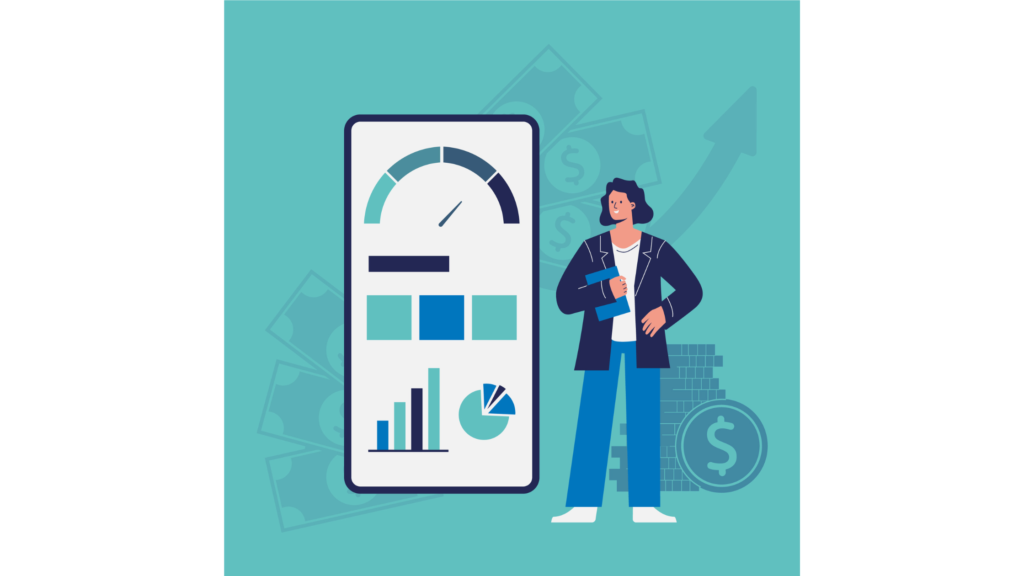
Cash flow forecasting is the art of predicting your future bank balance. It’s your most powerful proactive tool.
💡 Strategy 6: The 13-Week Rolling Forecast
- What to Track: Use a simple spreadsheet to project your expected cash in (sales, loans) and cash out (salaries, rent, supplier payments) for the next 13 weeks.
- The ‘Rolling’ Element: Every week, drop the past week and add a new week to the end of the projection. This keeps your focus sharp and allows you to spot potential shortfalls 4-6 weeks in advance.
- Identify the ‘Trough’: This forecast will show you exactly when your bank balance is likely to be at its lowest point. Knowing this allows you to proactively arrange a short-term line of credit or delay a non-essential expense.
💡 Strategy 7: Scenario Planning
Ask yourself, “What if?” and plug the numbers into your forecast:
- “What if” Scenario A (Best Case): Collections are 10 days faster, and sales are 15% higher.
- “What if” Scenario B (Worst Case): A major client delays payment by 30 days, and a key raw material price increases by 20%.
This exercise prepares you for both rapid growth and unforeseen challenges.
FAQ
1. Why is cash flow important for women-led SMEs?
Strong cash flow ensures smooth operations, timely payments, and financial stability — especially important for businesses with tighter margins or growing operations.
2. How often should I review my cash flow?
A weekly or monthly review is ideal to avoid surprises and stay in control of your finances.
3. What common cash flow mistakes should I avoid?
Delayed invoicing, unmanaged expenses, relying too heavily on credit, and not forecasting future cash needs.
4. How can I improve cash flow quickly?
Send invoices promptly, follow up on payments, negotiate better terms with suppliers, and reduce non-essential spending.
5. Do I need accounting software?
Not always — simple spreadsheets work initially. As you grow, software makes tracking and forecasting easier.
6. What if my business has seasonal revenue?
Plan ahead, build a cash reserve during high-income periods, and schedule major expenses during stable revenue months.
Take The Next Step: Bring In The CFO Expertise
As a woman entrepreneur, your focus should be on strategy and growth. If managing these granular cash flow details is taking too much time away from your core business, it’s time to consider external support.
This is precisely where our Virtual CFO Services come in. We offer structured guidance and practical implementation support, including:
- Setting up Automated Cash Flow Reports.
- Structuring Optimized Receivables and Payables Policies.
- Conducting Regular 13-Week Rolling Forecast Reviews.
Stop leaving your hard-earned money on the table. A small investment in proper financial guidance today can prevent major cash flow crises tomorrow and unlock your business’s true growth potential.
Ready to take control of your cash flow? Contact us to explore how our tailored coaching can empower your business.